Why Korean Dermatology Should Be on Your Travel List
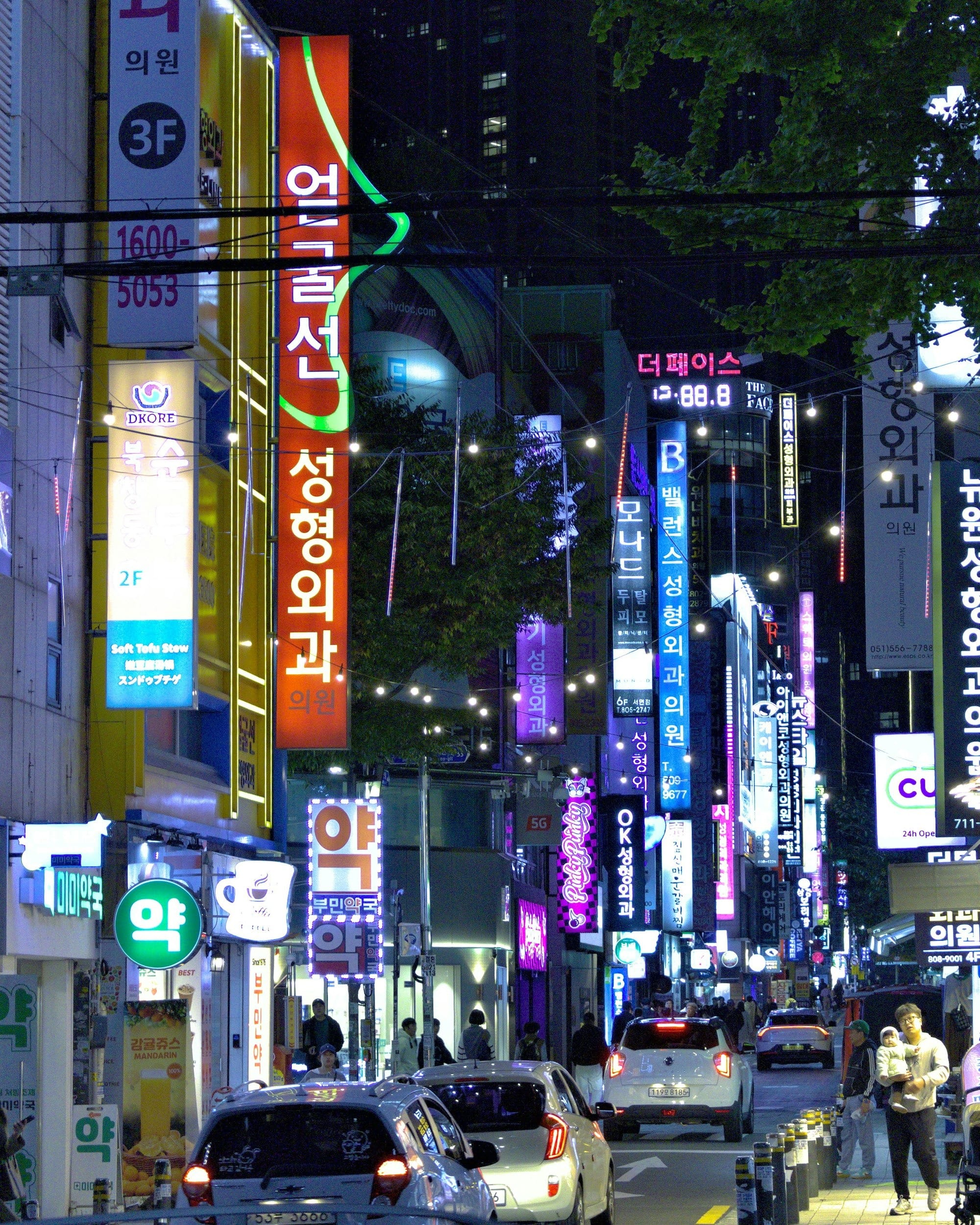
I'm Korean, and I've spent time across multiple regions, from Europe and the Middle East to Southeast Asia, East Asia, and the United States. Every time I got sick abroad, I had to navigate unfamiliar healthcare systems—and I was often frustrated. Not because they were terrible, but because I didn't realize how exceptional Korea's healthcare was until I experienced life without it.
Korea's healthcare system is, in my opinion, the most underrated aspect of this country. It's even more impressive than K-pop, K-dramas, or K-food. Those cultural exports already have global recognition, but K-healthcare deserves just as much attention—maybe even more.
And nowhere is this more visible than in Korean dermatology.
The Numbers Don't Lie
Every year, hundreds of thousands of foreign visitors travel to Korea not just for shopping or culture—but specifically for dermatology treatments. Laser procedures, skin rejuvenation, acne care, and anti-aging treatments have quietly become part of the modern Seoul travel itinerary.
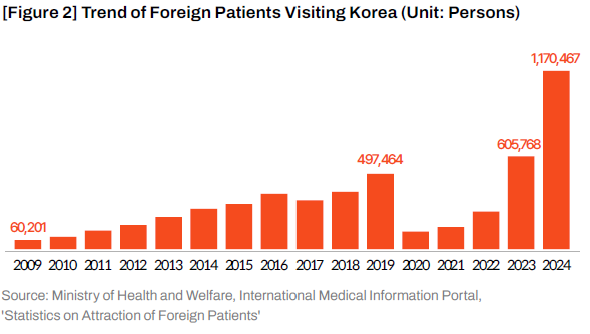
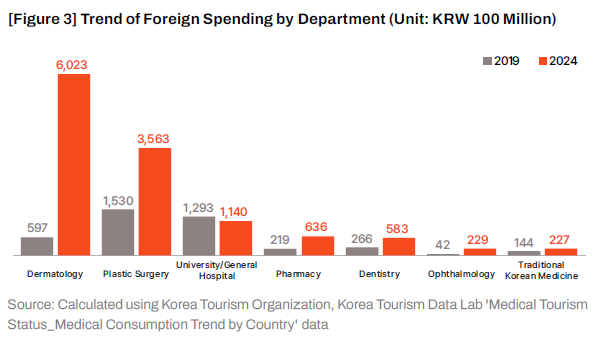
But why Korea? Is it actually better—or just better marketed?
The answer is both. Korea didn't become a global dermatology destination by accident. It built a system that makes advanced skin care accessible, affordable, and efficient in ways that most countries simply haven't matched.
What Makes Korean Dermatology Different
1. It's a System, Not Just Individual Clinics
In many countries, dermatology clinics operate independently with varying standards. In Korea, dermatology has evolved into a highly systemized industry with standardized treatment flows, specialized roles, and protocol-based procedures.
This industrial efficiency allow clinics to:
- Reduce per-treatment costs dramatically
- Accumulate massive procedural experience
- Optimize equipment utilization
- Serve high patient volumes without sacrificing quality
2. The Equipment Density Is Unmatched
Korea has one of the highest concentrations of dermatology laser devices per capita in the world. Walk through Gangnam, and you'll pass dozens of clinics equipped with the latest technology.
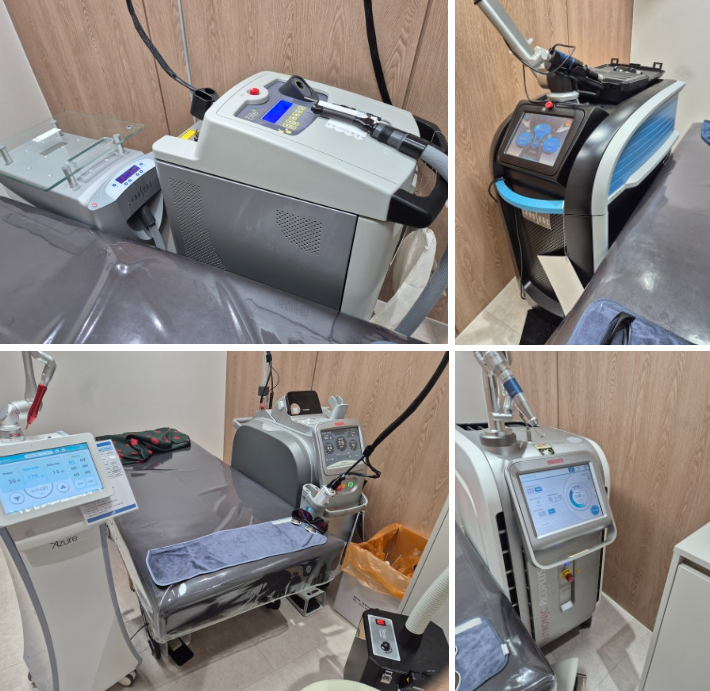
This means:
- New devices enter the market quickly
- Doctors gain hands-on experience faster than almost anywhere else
- Competition drives constant equipment upgrades
- Techniques evolve rapidly based on real-world results
A laser treatment that might be cutting-edge in other countries is often already routine in Korea.
3. The Cost Is Shockingly Low
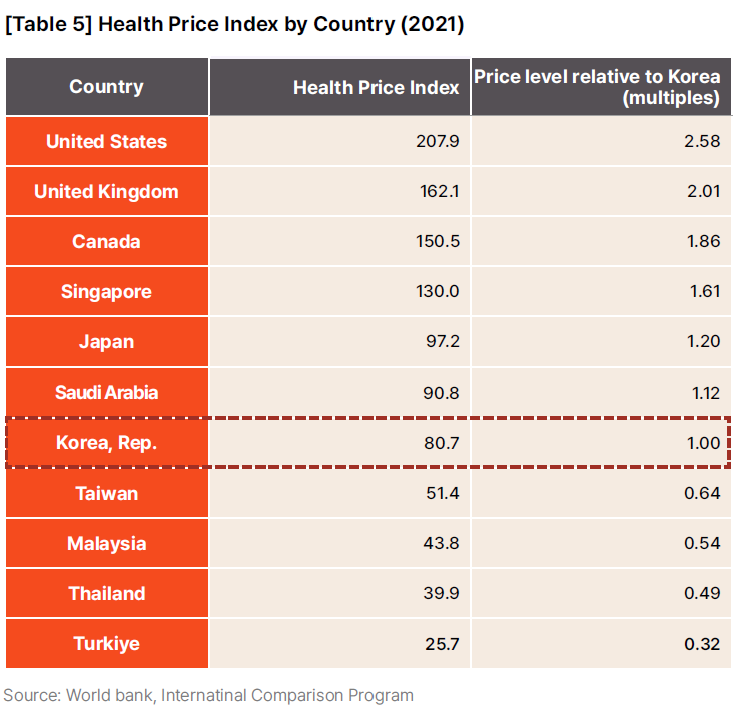
Here's where Korea's broader healthcare philosophy becomes visible. The national health insurance system has created a culture where medical care—including dermatology—is expected to be affordable.
Even cosmetic procedures that aren't insurance-covered follow this pricing logic:
- A basic laser session: $30-100
- Acne treatment series: $200-500
- Advanced skin rejuvenation packages: $500-1,500
Compare this to equivalent procedures in the US, UK, or Middle East, where the same treatments can cost 3-10 times more.
And if you do need medical dermatology care covered by insurance—say, for severe eczema or fungal infections—you'll pay almost nothing. A doctor visit, prescription medication, and follow-up might total less than $15.
4. Speed and Accessibility
Korean healthcare is built for efficiency. You can:
- Walk into most dermatology clinics without an appointment
- Get diagnosed and treated in under 30 minutes
- Pick up prescribed medications at the pharmacy next door
- Return for follow-ups as often as needed
Many Koreans visit dermatologists during their lunch break. That level of convenience is almost unheard of elsewhere.
There's no gatekeeping, no insurance network restrictions, no waiting months for a specialist referral. You choose where you want to go, and you go.
5. Cultural Transparency Around Skin Care
Korea has normalized talking about skin treatments. There's no stigma around visiting dermatologists regularly or getting procedures done. This cultural openness has created:
- Public price displays in most clinics
- Menu-style treatment lists
- Clear explanations of what each procedure does
- Online reviews and shared experiences
Foreign tourists appreciate this transparency, especially compared to countries where medical pricing feels opaque or negotiable.
What to Expect (The Real Experience)
Korean dermatology isn't perfect, and it's important to understand the culture before you go.
Consultations are short. Doctors won't spend 20 minutes chatting about your skin history. The system is optimized for visual assessment, quick diagnosis, and efficient treatment. You describe your concern, they evaluate, they recommend. The entire consultation might be 5 minutes.
For some, this feels rushed. For others, it's refreshingly straightforward.
Hospital rooms are shared. If you need a procedure that requires recovery time, expect to share a room with 4-6 other patients unless you pay extra for privacy.
Doctors may not explain every detail. The Korean medical model assumes you trust their expertise. If you want detailed explanations, you'll need to ask specific questions.
The focus is on results, not hand-holding. Korean clinics excel at delivering predictable outcomes efficiently. They're less focused on the emotional journey of the patient experience.
Is It Actually Safer?
Here's the honest answer: Korean dermatology isn't automatically safer than elsewhere—but it is more experienced.
Because Korean dermatologists perform such high volumes of procedures, they accumulate expertise faster. A doctor in Seoul might perform hundreds of laser sessions per month. A doctor in a smaller market might do dozens per year.
That repetition creates:
- Pattern recognition for complications
- Refined technique
- Faster problem-solving
- Better equipment familiarity
But volume doesn't eliminate risk. Poor clinics exist in Korea just like anywhere else. The difference is that Korea's competitive environment tends to weed out consistently bad operators faster.
Why Tourists Keep Coming Back
Foreign patients who return to Korea often cite the same reasons:
- Predictable results based on previous experience
- Familiar processes that reduce anxiety
- Dramatically lower costs than back home
- The ability to combine treatment with travel
Korean dermatology has become repeatable and legible to international visitors in a way that medical tourism in other countries often isn't.
The Broader Picture: Why Korea Can Do This
Korea's dermatology success isn't isolated—it's built on the foundation of the country's overall healthcare system.
Korea has created a society where:
- Anyone can get treatment when they're sick
- The poor don't have to give up on medical care
- You can survive without private insurance
- Medical bankruptcy is almost nonexistent
The national health insurance system covers 80-90% of major surgeries, caps annual out-of-pocket costs at around $1,300, and negotiates drug prices to keep them among the lowest in the world. A CT or MRI without insurance costs $50-150. An endoscopy or colonoscopy costs less than $50 and can be booked same-day.
This infrastructure created a culture where medical care is expected to be accessible and affordable—and that culture extends to dermatology, even the cosmetic side.
Should You Visit a Korean Dermatologist?
If you're traveling to Korea and you've been considering any skin treatments—acne care, pigmentation removal, anti-aging procedures, or just a professional skin assessment—it's worth exploring.
But go with realistic expectations:
- Research clinics beforehand (look for patient reviews, check credentials)
- Ask specific questions during consultations
- Understand that cheaper doesn't always mean better, but expensive doesn't guarantee quality either
- Don't feel pressured to book packages on the spot
Korean dermatology thrives because it reduces decision fatigue once you understand the system. The first visit might feel unfamiliar, but the process becomes predictable quickly.
Final Thought
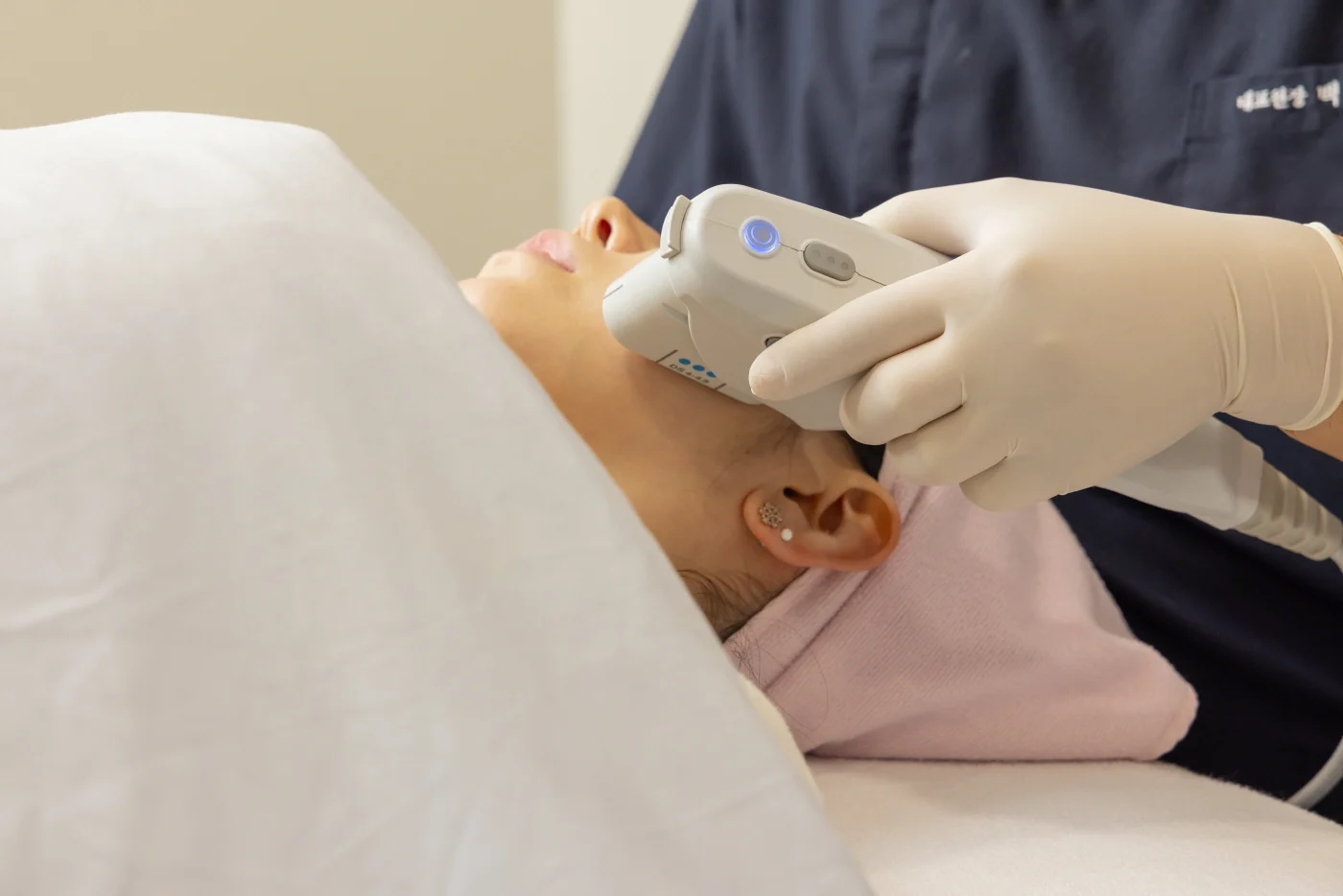
Korea's healthcare system—including its dermatology sector—represents something genuinely worth celebrating. It's not perfect, but it proves that advanced medical care doesn't have to bankrupt people or require months of waiting.
Whether you're coming for K-pop concerts or just exploring Seoul, consider booking a dermatology consultation. You might leave with clearer skin—and a new appreciation for what healthcare can look like when accessibility is built into the foundation.
What's Next
In the next article, I'll conduct a detailed, country-by-country analysis of dermatology equipment density, with a particular focus on how Korea stands out. We'll look at the numbers, the distribution patterns, and what this concentration of technology actually means for treatment quality and innovation.
This article is for informational purposes. Always research individual clinics, verify credentials, and make informed decisions about any medical procedure.
#Dermatology in Korea #Medical Tourism Korea #Skin Care Seoul #K-Beauty Guide #Affordable Skincare #Laser Treatments Korea #Travel to Seoul #KoreanSkinClinicSystem